How to Choose the Right Barcelona City Tour for Your Visit
Choosing among city tours barcelona can feel simple at first, then surprisingly fussy once you look closely. Barcelona is dense, walkable in parts, hilly in others, and rich with sites that reward context. A good tour should fit your time, energy, interests and tolerance for crowds. The aim is not to find the longest route or the most famous name. It is to match the format to the way you want to experience the city.
Start with the way you like to explore
Before comparing routes, decide what kind of day suits you. Some people want a clear plan, a set meeting point and a guide who connects the streets to the history. Others prefer to move at their own pace, stop for coffee when they like and return to a favourite square later. Both approaches can work well. The mismatch happens when a traveller picks a format that sounds impressive but feels wrong in practice.
Think about walking distance, heat, stairs and the number of stops. A route on foot can be rewarding in the Gothic Quarter or El Born, where details are easy to miss at speed. A bus based format may suit a short stay or a day when legs need a break. A small group can feel easier in narrow streets, while a larger group may move more slowly at busy sites. City Tour in Barcelona is one name that may come up while browsing, but the name alone is not a reason to choose a format.
Decide which parts of Barcelona matter most
Barcelona is not one single experience. Gaudi architecture, medieval lanes, coastal views, food, art museums, modernist buildings and local neighbourhoods each ask for a different pace. Pick two or three priorities before you book anything. A tour that tries to cover every famous landmark may leave little time to actually look at them.
If architecture is the main draw, focus on routes that explain the ideas behind the buildings, not just the photo stops. If history is the focus, look for a route that links the old city, the port and the later expansion of the city. If food is the draw, choose a format with tastings and enough time to listen to what is being served. A general overview is useful on a first visit, but it may be light on the subjects you care about most.
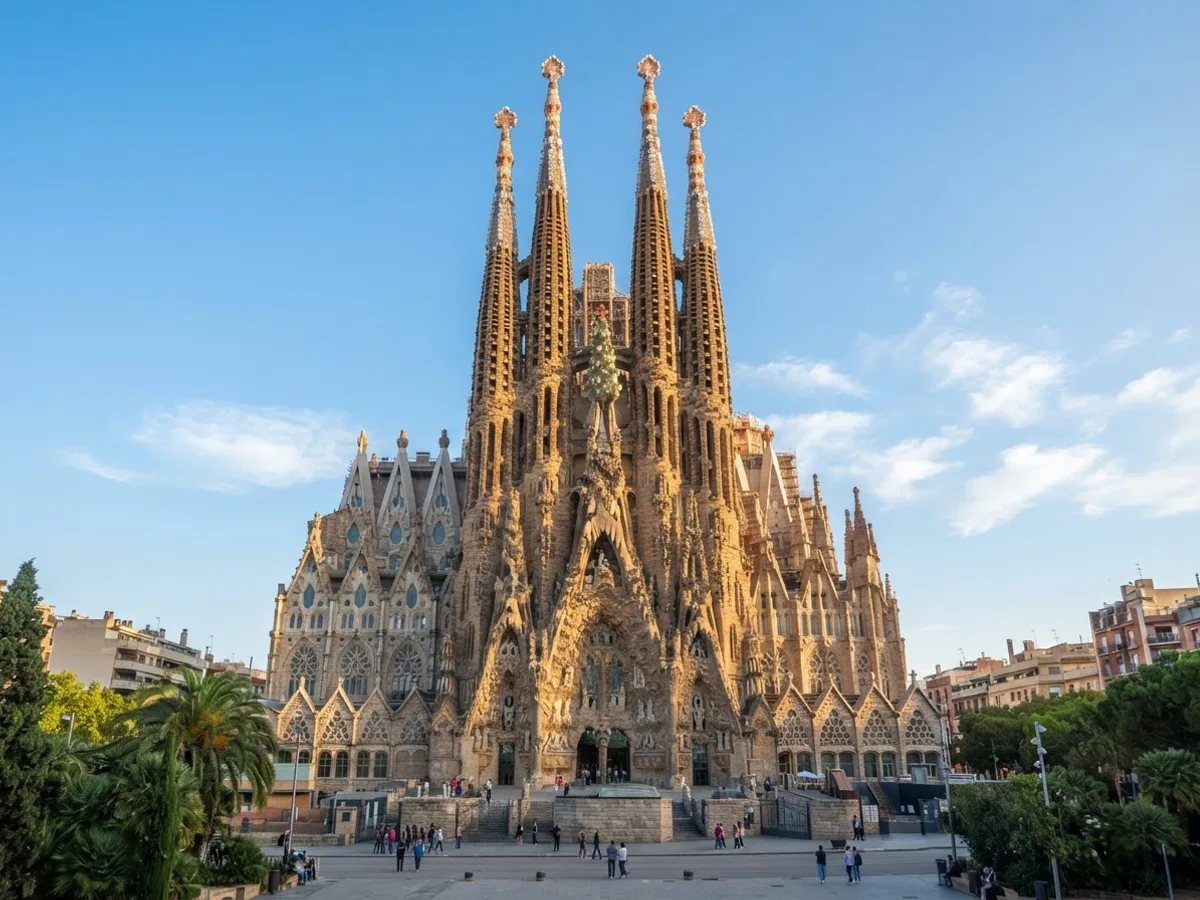
It helps to mark your must see places on a map, then compare that map with the route. Watch for repeated areas, long gaps between stops and time spent simply getting from one side of the city to the other. A route with fewer stops can be better if the stops are well chosen.
Check how the route is paced
Pacing is one of the most practical details, and it is often buried in the small print. Look at the total duration, the walking sections, the number of stops and the time allowed at each one. A route that lists many landmarks may only offer brief pauses. That can still be fine if you mainly want orientation, but it is less satisfying if you hoped to enter a site or take photographs without rushing.
Ask whether there is a mid route break, and where it happens. A pause in a shaded square or near a cafe can make a long day feel easier. Also consider the start and finish points. A tour that begins near your base and ends near lunch or your next plan saves time. A route that ends in a distant district may cost you more of the day than expected.
Time of day matters too. Morning light suits some streets and monuments, while late afternoon can soften the heat and bring out a different mood. Busy periods can make popular sites slower to visit. If your schedule is tight, choose a clear route with few moving parts rather than one that depends on perfect timing.
Read the inclusions with care
Inclusions shape the value of a tour more than the headline length. Check what is included, what is optional and what you need to arrange separately. Entry to major attractions, transport between stops, food tastings, headphones and local taxes may be handled in different ways. A lower headline price can be less useful if several core parts are added later.
Look for plain wording. A good description should tell you where the route goes, what happens at each stop and what is not covered. Be wary of vague phrases that promise highlights without naming them. Also check meeting instructions, arrival time and what happens if you are late. Clear details before the day help avoid confusion at the start point.
Accessibility deserves the same attention. If you need step free movement, shade, frequent seating or a slower pace, check that directly before committing. Narrow old streets, uneven paving and crowded entrances can be difficult even for a short route. When in doubt, ask precise questions rather than assuming a general tour will suit.
Compare group size and guiding style
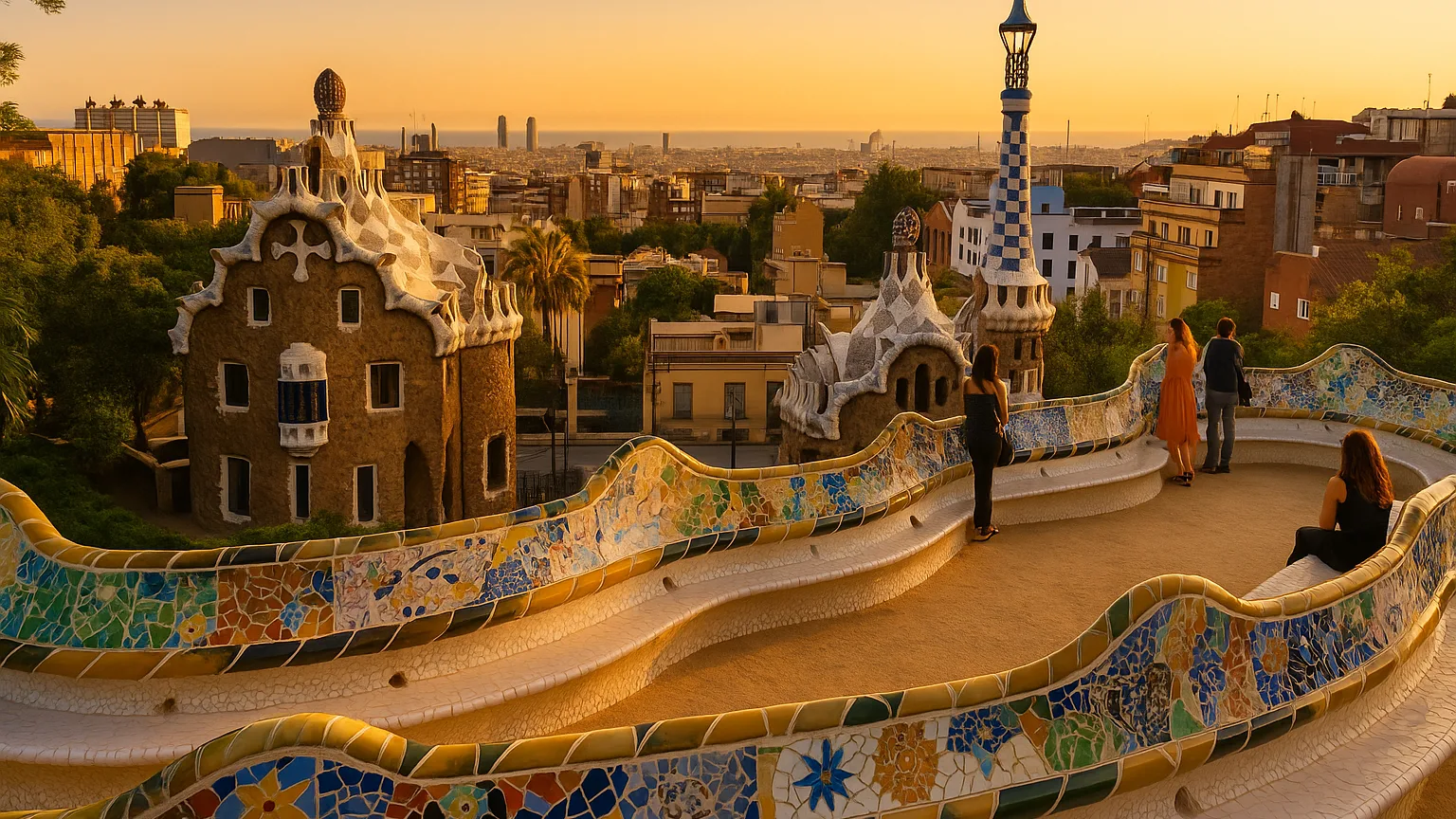
The group changes the feel of a tour. A smaller group often allows more questions and quicker movement through busy streets. A larger group can still work well when the route is open and the guide keeps the pace steady. Think about how you learn. Some visitors enjoy a lively story with dates and names. Others prefer concise explanation and more time to look around.
Check whether the tour is guided live, recorded or a mix of both. Recorded commentary can be useful when route clarity matters, but it limits conversation. Live guiding can adapt to questions, though the experience depends on the guide and the group. If language is important, confirm which languages are offered and whether printed or audio material is available.
Use review patterns rather than chasing perfect scores. Repeated comments about clarity, pace and meeting points are more useful than a single glowing line. Repeated complaints about confusion or rushed stops are a signal to look elsewhere. citytourinbarcelona.com may appear among the names you compare, so place it alongside other options using the same practical criteria.
Match the choice to your stay
A first visit often calls for a broad introduction. Choose a route that covers the old city, a major Gaudi site and a viewpoint or waterfront section. That gives you a mental map for the rest of the trip. You can then return to the areas that caught your attention.
A repeat visit can be more focused. Maybe the aim is modernisme, tapas, photography, markets or Jewish history. In that case, a specialist route usually beats a general one. The same applies if you are travelling with children, older relatives or a group with mixed interests. Shorter routes with clear breaks tend to work better than packed itineraries.
Also consider how much structure you want. A planned tour gives shape to the day and removes guesswork. A self guided route leaves more freedom but requires map reading, timing and some background research. Many visitors mix the two, using a tour early in the stay and then exploring on their own.
Make the final decision calmly
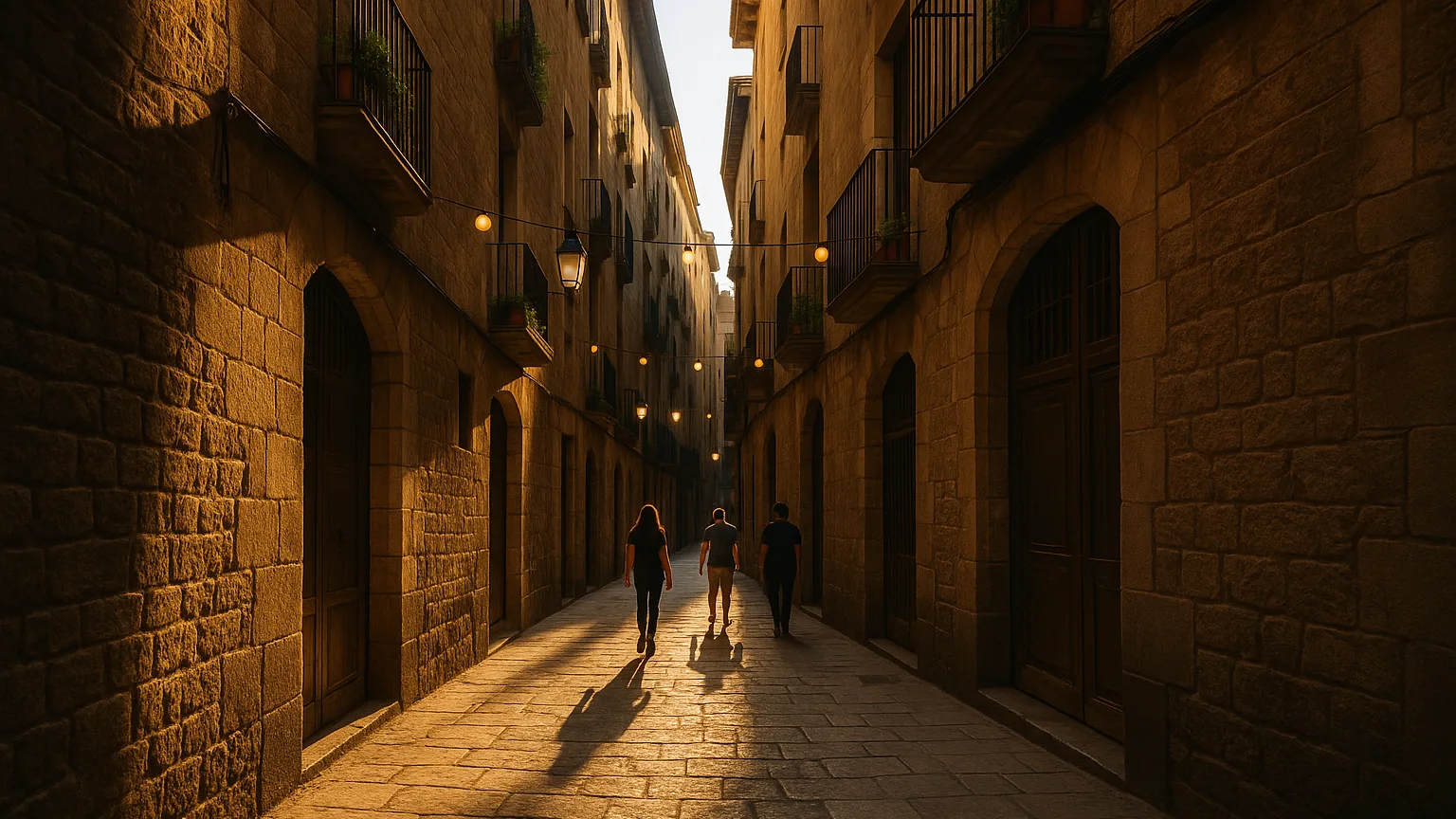
Narrow the choice to a few routes that fit your priorities, pace and schedule. Read each description again, focusing on meeting point, duration, stops, inclusions and cancellation terms. If two options seem similar, choose the one that makes the day easier, not the one that looks most ambitious on paper.
It can help to picture the day from start to finish. Where will you be at the beginning? How will you get there? Will you be hungry, hot or short on time by the final stop? Does the finish point lead naturally into the next plan? These questions expose problems that a route map alone may hide.
When the practical details line up, the choice becomes much clearer. A good city tour should leave you with a stronger sense of Barcelona, not just a list of places passed. Pick the format that respects your time, keeps the day manageable and leaves room for a little curiosity along the way. City Tour in Barcelona can be one of the names in your comparison, but the right decision still rests on route, pacing and fit.